

By Frank Andorka, Senior Correspondent What Happened:DTE Energy is in the news again, and it is yet again not for a good reason. Greenwood Solar has filed a complaint against the utility alleging that it is not negotiating to buy their electricity in good faith as is required under the Public Utility Regulatory Policies Act of 1978.
By Frank Andorka, Senior Correspondent What Happened:DTE Energy is in the news again, and it is yet again not for a good reason. Greenwood Solar has filed a complaint against the utility alleging that it is not negotiating to buy their electricity in good faith as is required under the Public Utility Regulatory Policies Act of 1978.
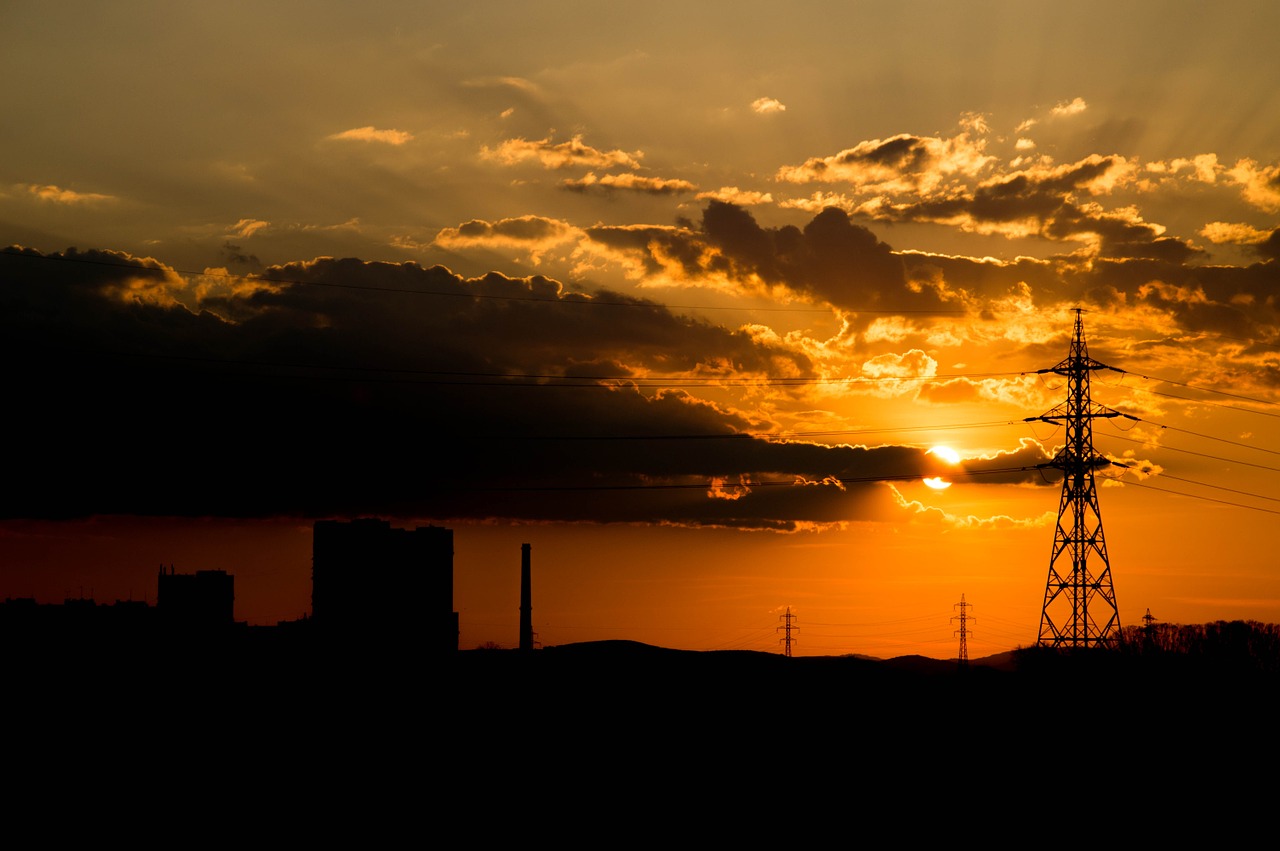 Is the image of the sun setting on a utility pole too heavy handed? I worry it's a little heavy handed.[/caption]
SolarWakeup’s View: As I was doing research for my story on DTE's $1 billion natural-gas plant boondoggle, I happened across an interesting note on the Michigan Public Service Commission's website: The Michigan utility has had a complaint filed against it by a solar company saying DTE is not negotiating in good faith under the Public Utility Regulatory Policies Act of 1978, or PURPA.
Is the image of the sun setting on a utility pole too heavy handed? I worry it's a little heavy handed.[/caption]
SolarWakeup’s View: As I was doing research for my story on DTE's $1 billion natural-gas plant boondoggle, I happened across an interesting note on the Michigan Public Service Commission's website: The Michigan utility has had a complaint filed against it by a solar company saying DTE is not negotiating in good faith under the Public Utility Regulatory Policies Act of 1978, or PURPA.
By Frank Andorka, Senior Correspondent What Happened: Schletter's U.S. subsidiary filed for Chapter 11 bankruptcy protection in the Western District of North Carolina, where the company's headquarters are located.
By Frank Andorka, Senior Correspondent What Happened: Schletter's U.S. subsidiary filed for Chapter 11 bankruptcy protection in the Western District of North Carolina, where the company's headquarters are located.
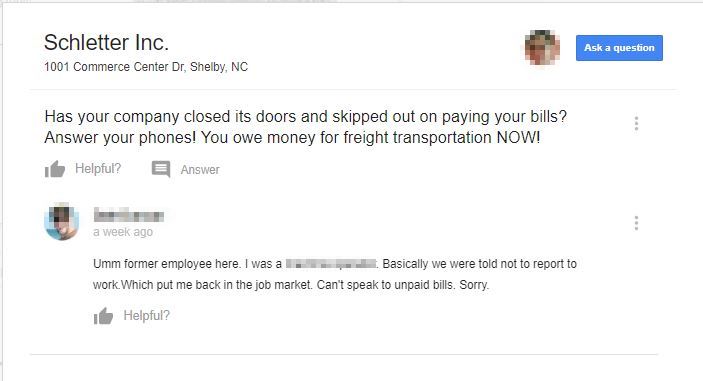 SolarWakeup’s View: We hate to say we told you so, but ... oh, who are we kidding? We LOVE telling you we told you so. As SolarWakeup first reported rumors of on Monday, Schletter U.S. has now officially filed for Chapter 11 bankruptcy protection in the Western District of North Carolina.
Schletter US may well be another casualty in the needless and mindless trade war the Trump Administration had declared on the world, starting with his announcement of tariffs on solar modules in January and followed by tariffs on steel and aluminum, all of which would have had deleterious effects on Schletter’s main business. The racking-and-mounting segment of the U.S. solar industry, of which Schletter USA was a part, spoke out as a group forcefully and often against the trade complaint brought by bankrupt solar module manufacturer Suniva and later joined by SolarWorld in an attempt to jack up their valuation in preparation for sale. Last week, SunPower announced it had purchased SolarWorld’s assets, and Suniva’s main creditor SQN Capital Management announced it was selling off all the company’s manufacturing equipment. So neither of the two combatants of the idiotic tariff battle are likely to exist in six months. But the effects of their ridiculous battle will be felt long into the future and, by all accounts, have claimed the employees of racking giant Schletter.UPDATE (12:15 PM, 4/25/2018): Schletter spokesman Sebastian Glaser responded to SolarWakeup inquiries about the current employees statuses and what's next for the U.S. subsidiary:
SolarWakeup: Could you tell us what is the current situation with the employees, how many have been affected and what they should expect next? Glaser: There are currently around 120 employees at Schletter, and so far there have been no redundancies. Please understand that I cannot give you any more details at this stage. We are still in the process of reviewing our operations during the proceedings which also includes HR planning. When we have a clearer picture in terms of HR, we will of course inform our employees first. SolarWakeup: With the sales process of the global Schletter business, do you expect to entertain acquisition offers of the business unit separately from the German parent company? Glaser: Our goal is to find an investor solution for the group and the investor process is making good progress. A few weeks after the start, several potential investors have handed in indicative bids already. Among the bidders, there are companies from the industry as well as financial investors. This pleasingly high investor interest clearly shows the strength of the Schletter brand.SolarWakeup will continue to monitor this situation and update the story as necessary. Here is Schletter's full filing: [pdf-embedder url="http://www.solarwakeup.com/wp-content/uploads/2018/04/SchletterBankrutpcyFiling.pdf"] More: We’re Happy For SolarWorld Employees – But That’s It Suniva Being Sold For Parts (Literally), Just Like We Said
Michigan Bellweather Decision. I’ve spoken about the importance of going on the advocacy offense and I couldn’t be prouder of the work that Vote Solar is doing in Michigan. Just yesterday, FPL’s CEO went on an earnings call and essentially outed himself and said that solar plus storage is more cost effective than “inefficient” alternatives. If the Michigan PSC delays the approval or denies DTE’s request for the gas plant this would be the first time a PSC delays a gas plant ahead of a thriving solar market. Nonetheless that is the right think to do.
Community Solar Potential. NREL was out with a study outlining the potential of bringing solar to demand even if the building can’t actually host solar. The disaggregation of solar generation from the load is a favorite topic of mine, it creates the collaboration of the lowest capital cost of solar, removes credit risk and generates more clean energy. At the same time we need to be thinking about growing the C&I market where transaction costs and credit risk make it more difficult than the residential market where the FICO score exists. I remain convinced that C&I is a combination of cash sales with long term financing through PACE is the best way to do that. Businesses that own their building have tax appetite and with assessment terms up to 30 years, why wouldn’t you want that.
Acting Like The Leader. 1366 Technologies asked for a 201 tariff exemption for their manufacturing facility. Now it appears that the request landed them in hot water for not having that facility in the US. I am sure there is much more to the story but the quote from the DOE makes me wonder if the aggressive tone is mirrored from above.
If My Way Works, Let’s Not Do It Your Way. A group of utility execs are workshopping how Puerto Rico should rebuild their infrastructure. At the same time, Sunnova, Sunrun, Sonnen, Tesla, and others have installed hundreds of micrograms on the island. Last week, when the entire grid went down again, only the solar micrograms were running including the fire stations. So tell me this, why do we have traditional power execs running this process when we already know what is working.
Opinion
News
Opinions:
Have a great day!
Yann
By Frank Andorka, Senior Correspondent What Happened:Long-time solar industry denizen Silvio Marcacci took to Forbes to argue that low- and middle-income Americans could represent a 320 GW untapped solar market in the United States.
By Frank Andorka, Senior Correspondent What Happened:Long-time solar industry denizen Silvio Marcacci took to Forbes to argue that low- and middle-income Americans could represent a 320 GW untapped solar market in the United States.
 SolarWakeup’s View: First off, let me congratulate Silvio Marcacci on landing in the pages of Forbes. Silvio has always been a great champion for solar, and seeing his name (and our message) reaching some of the world's wealthiest investors and businesspeople is a sight for sore eyes. So thank you, Silvio.
Solar developers can play a role tapping this market. NREL reports 60% of LMI residential potential exists on renter-occupied and multi-family buildings where long-term contracts may not work for residents – in other words, not single-family homes in affluent neighborhoods. This means community solar or shared solar projects could be installed on large buildings like government facilities, community centers, or churches and then opened up to LMI households through community solar, virtual net metering, or other shared subscription programs.I'm so glad someone is pointing this out in such august pages as Forbes - it's a message investors, and the solar industry, both need to hear. More: This Untapped Market Could Add 320 Gigawatts Of New U.S. Residential Solar Energy