

By Frank Andorka, Senior Correspondent What Happened:On a vote of 5-0, the Florida Public Service Commission has approved Sunrun's request that its third party leases not be considered a sale of electricity and that:
By Frank Andorka, Senior Correspondent What Happened:On a vote of 5-0, the Florida Public Service Commission has approved Sunrun's request that its third party leases not be considered a sale of electricity and that:
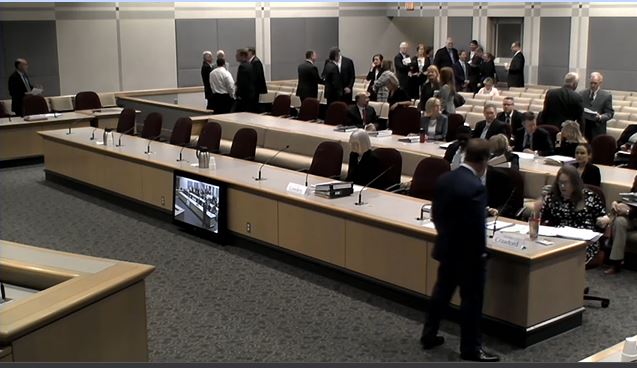 SolarWakeup’s View: In a victory for third-party leasing in the state of Florida, Sunrun has JUST been granted the right to sell its products in the state of Florida.
What a week for the solar industry! As we begin the cycle once again in the storage industry, descending to the storage conference, I hope you enjoy your weekend.
Watch The Florida PSC. Starting at 9:15am, the Florida PSC will be hearing the request by Sunrun to have their lease ‘approved’ for use in Florida without being considered a regulated utility. Stay tuned for the result and a refresher on the issue here.
Solar’s Dilemma. I feel that most in solar have a set of values that many struggle with when solar argues against environmentalists on regulations. This is the case in the BLM land siting issue where solar is left with little available space to develop projects in due to environmental concerns. We’re going to need more solar going forward and we have to find where to put it but we want to do so responsibly, hence the dilemma.
The Little Story. This isn’t a big story but it’s the local victory that keeps us going. With the help of DOE SETO, the artist formerly known as SunShot, the municipality was able to move solar forward its own rules to promote solar. SETO is out with another solicitation for $105million.
Interest Rate Pressures. Over the past year interest rates have been creeping up, the 10-year yield is up to 2.91% as of yesterday. That’s over 1% higher than just a few years ago and that kind of debt cost increase hurts solar, where many projects are back levered. The positive side of this is the risk, the spread, has decreased to less than 2% more than the treasury rates. We’re still a long way from mortgage rates however.
SolarWakeup Live! Chicago. The event will occur at the end of June, dates to be announced soon. This will be a day long SolarWakeup Live and continue the SolarWakeup Live tradition of great content that helps drive the market. If you have a good idea for content that you’d like to hear, reach out. We will also have some special sponsorship opportunities if you are interested.
Opinion
News
Opinions:
Have a great day!
Yann
By Frank Andorka, Senior Correspondent What Happened:Sammy Roth of The Desert Sun is one of my mainstream solar writers, and he takes a fascinating look at the Trump Administration's decision to reopen the Desert Renewable Energy Conservation Plan.
By Frank Andorka, Senior Correspondent What Happened:Sammy Roth of The Desert Sun is one of my mainstream solar writers, and he takes a fascinating look at the Trump Administration's decision to reopen the Desert Renewable Energy Conservation Plan.
- The Trump Administration and Secretary of the Interior Ryan Zinke talk about reopening the Desert Renewable Energy Conservation Plan, which was finished in 2016 and was designed to balance environmental protection and renewable-energy development.
- But even the large-scale solar developers are suspicious of Trump's motives behind the plan reconsideration.
 SolarWakeup’s View: First off, read the whole Sammy Roth article that I link to at the end of this. On top of it being a great topic, Sammy's writing veritably sings.
But even after reading his excellent piece, I'm left wondering (primarily because Sammy's too good a reporter to offer his opinion and his sources are frankly as confused as I am): What exactly is the Trump Administration's end game here as they reopen the settled discussion the Desert Renewable Energy Conservation Plan? And is utility-scale solar being used as a fig leaf for something far more nefarious?
SolarWakeup’s View: First off, read the whole Sammy Roth article that I link to at the end of this. On top of it being a great topic, Sammy's writing veritably sings.
But even after reading his excellent piece, I'm left wondering (primarily because Sammy's too good a reporter to offer his opinion and his sources are frankly as confused as I am): What exactly is the Trump Administration's end game here as they reopen the settled discussion the Desert Renewable Energy Conservation Plan? And is utility-scale solar being used as a fig leaf for something far more nefarious?
By Frank Andorka, Senior Correspondent What Happened:Thanks to a grant from the U.S. Department of Energy’s Sunshot Initiative's Solar In Your Community Challenge, one coal-country Ohio town is moving toward a community solar installation.
By Frank Andorka, Senior Correspondent What Happened:Thanks to a grant from the U.S. Department of Energy’s Sunshot Initiative's Solar In Your Community Challenge, one coal-country Ohio town is moving toward a community solar installation.
- A group called Upgrade Ohio is trying to change the town's laws in a way that would allow regular citizens - not just wealthy investors - get in on the ground floor of the array.
- Despite being in the heart of coal country, the citizens of Athens are excited about the prospect of opening up a new energy future for the poverty-stricken area.
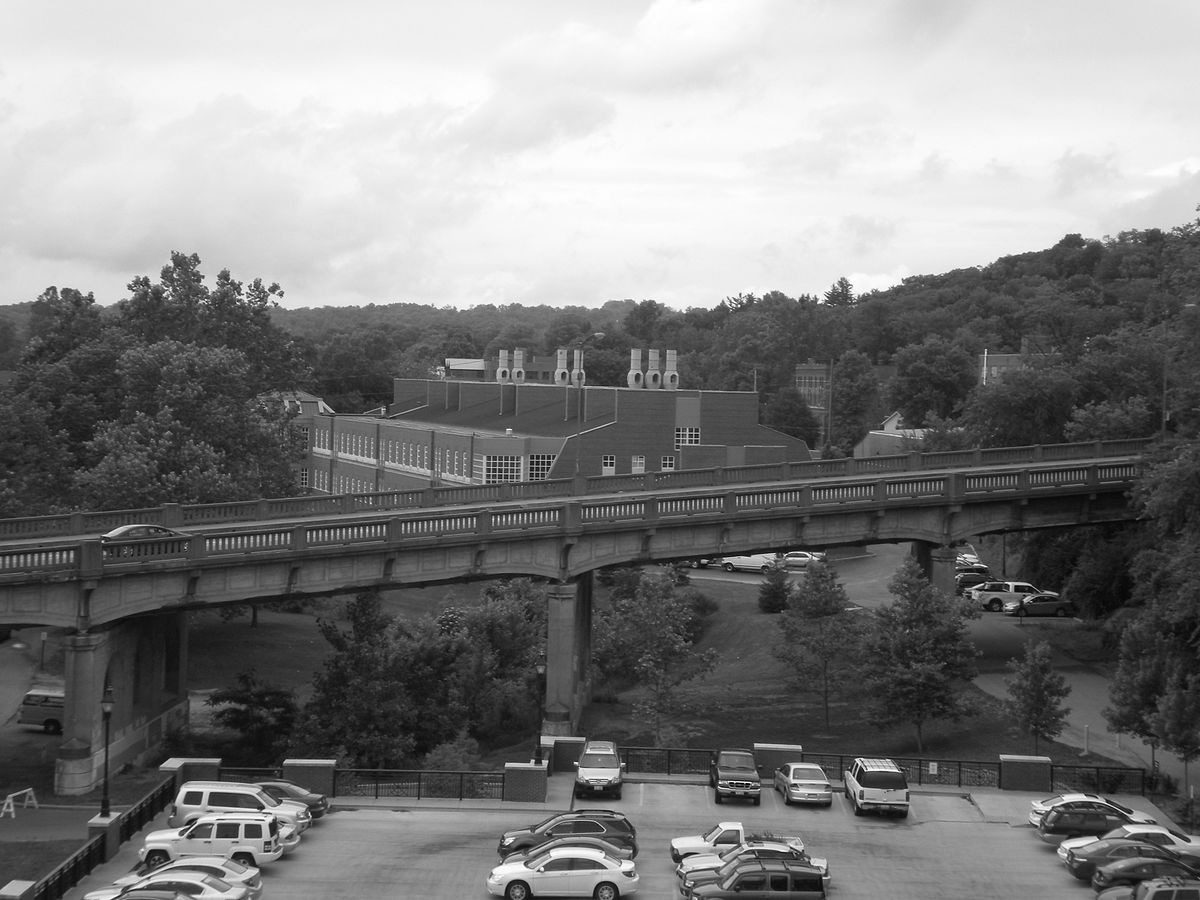 Richland Avenue bridge, spanning portions of Athens, Ohio, with the Western Hills in the background
By OhioOat - Own work, CC BY-SA 3.0, https://commons.wikimedia.org/w/index.php?curid=19870392[/caption] SolarWakeup’s View: Full disclosure: Athens, Ohio, is home to Ohio University, which both my parents attended and, if it hadn't been for some health challenges, I would have attended myself. With those biases in mind, however, I still think it's hella cool is this story about Upgrade Ohio, a community group trying to change the city's laws to allow everyday citizens (instead of just wealthy donors) to buy into a community solar project.
It’s wrong to think that this region has only a coal-country mindset. There is a push to be new energy leaders in new ways. We want to generate our own power because we want to be independent from the extractive powers that have made decisions for this region for so long. We want to take the coal and gas-dependent economy and make it renewably based. We need a bold and different strategy.In today's political climate, it's easy to forget the vital role the Sunshot Initiative has played in moving solar beyond its traditional strongholds. The Upgrade Ohio project is a good reminder that its future must always be part of any funding conversation (and serve as a reminder, all propaganda to the contrary, that the solar industry supports research in all aspects of the industry, large and small). More: In Ohio town, energy ‘locavores’ drive demand for community solar (Energy News Network) Bonus This is my ACTUAL alma mater, of which I am SO proud. Marching through Kauke Arch being led by bagpipes on graduation was amazing. https://youtu.be/FO-VXpkvmDc