

By Frank Andorka, Senior Correspondent What Happened: Yesterday, I promised you more information on why pending legislation in Connecticut that would eliminate net metering would be a disaster for the solar industry.
By Frank Andorka, Senior Correspondent What Happened: Yesterday, I promised you more information on why pending legislation in Connecticut that would eliminate net metering would be a disaster for the solar industry.
 The level of awful in the Connecticut solar bill that is careening drunkenly toward passage as the session comes to an end is breathtaking in scope and stupidity.[/caption]
SolarWakeup’s View: Yeah, the genius just keeps coming from what I've decided to dub the "Connecticut catastrophe," which in case you aren't aware is Senate Bill (SB) 9, a bill hellbent on destroying the solar industry in the state once and for all.
For today's lesson in bad solar ideas, let's discuss the...SPECIAL idea that because solar consumers are generating electricity, they should be considered regulated utilities.
Yep. That's a thing supposedly "serious legislators" are discussing.
The level of awful in the Connecticut solar bill that is careening drunkenly toward passage as the session comes to an end is breathtaking in scope and stupidity.[/caption]
SolarWakeup’s View: Yeah, the genius just keeps coming from what I've decided to dub the "Connecticut catastrophe," which in case you aren't aware is Senate Bill (SB) 9, a bill hellbent on destroying the solar industry in the state once and for all.
For today's lesson in bad solar ideas, let's discuss the...SPECIAL idea that because solar consumers are generating electricity, they should be considered regulated utilities.
Yep. That's a thing supposedly "serious legislators" are discussing.
Pursuing an “average cost” approach instead of the standard value-based approach will undervalue solar energy, reduce consumer choice and jeopardize the viability of residential solar businesses. This may cause some residential solar businesses to shut down, particularly smaller, local solar companies with costs that are above-average. This backwards approach could particularly impact low-income and middle class residents who rely upon no-money-down financing options to go solar. Most solar customers in Connecticut are below the median income level thanks to these financing options, which the new tariff could threaten.Had enough yet? Wait until you see what this Connecticut catastrophe does to the community solar side of the business. I can't urge you strongly enough to get on the phones and tell Connecticut legislators not to destroy the state's solar industry by passing this bill. No, seriously. Do it now. You only have six days left to stop this Connecticut catastrophe from moving forward. More: How To Screw Up Solar With One Horrid Bill (Connecticut Edition) Here's this asinine bill: [pdf-embedder url="http://www.solarwakeup.com/wp-content/uploads/2018/05/SB-9.pdf" title="SB 9"]
NEM Under Attack In CT. Over the next few days, CT solar advocates will have to fight for the future of solar in Connecticut. This is your reminder that democrats can be just as influenced by utilities as republican legislators. Regulated power companies will control as many State Capitals as they can, which is also a stark reminder to SEIA that bringing utilities onto the membership rolls at SEIA is a very bad idea. The idea in CT is to replace NEM with something more like a feed in tariff. All production would flow to the grid and be repurchased by the solar owner. This is a terrible idea, not needed and just an attempt to reduce the value of solar. Step up and beat this thing back solar!
Forget 2017, What’s Coming Up. As I was manning the microphone in Minneapolis talking about growth in the midwest around community solar, some of you were in San Diego talking about growth in solar. Next time, just come with me to Minnesota and you would have seen it first hand. As expected, community solar is a large growth space in our industry and many states are looking at launching new programs around this. I also expect residential to make big strides, if the NEM fights go in the right direction, due to the homeowner’s continued desires to have solar and more states are making the economics look good.
The Money Play In Politics. The headline is more fun than the story. Solar companies give money to republicans and democrats. If you heard what Mulvaney said last week, money in politics means access to the legislators. If you are looking for administrative help to site a project, move an approval along, etc, then you are sometimes better served to make a few campaign donations. Republicans are also in charge of the House and Senate which means that’s a part of the donating strategy. This is a bit of a to do about nothing.
Dominion Is Losing Its Focus. The Virginia utility, which is interested in buying the troubled South Carolina utility, is out with his power plan going forward. And instead of a ton of solar and storage, it continues the trend of monopolies looking for giant rate base that requires ratepayers to hedge fuel costs for the utility. Will Vote Solar and others fight these projects when they’re requested?
Mercedes Stays Mobile. Mercedes, which I spoke to in an episode of SolarWakeup Live! a few months ago, is leaving home energy storage. The idea was to create a channel for batteries after they are used in the cars. The price declines and technological differences mean that batteries will simply be made for both segments.
SEIA DG Vice Chairs. In the effort of full information. Good solar folks Ed Merrick and Deep Patel are also candidates for the position. All the best to everyone that steps up and helps lead our industry.
Opinion
News
Opinions:
Have a great day!
Yann
By Frank Andorka, Senior Correspondent What Happened: So Reuters reported this morning that solar companies are setting large piles of cash on fire in their parking lots...oh, I'm sorry, I misspoke. They're actually funding Republicans. Wait, maybe I was right in the first place.
By Frank Andorka, Senior Correspondent What Happened: So Reuters reported this morning that solar companies are setting large piles of cash on fire in their parking lots...oh, I'm sorry, I misspoke. They're actually funding Republicans. Wait, maybe I was right in the first place.
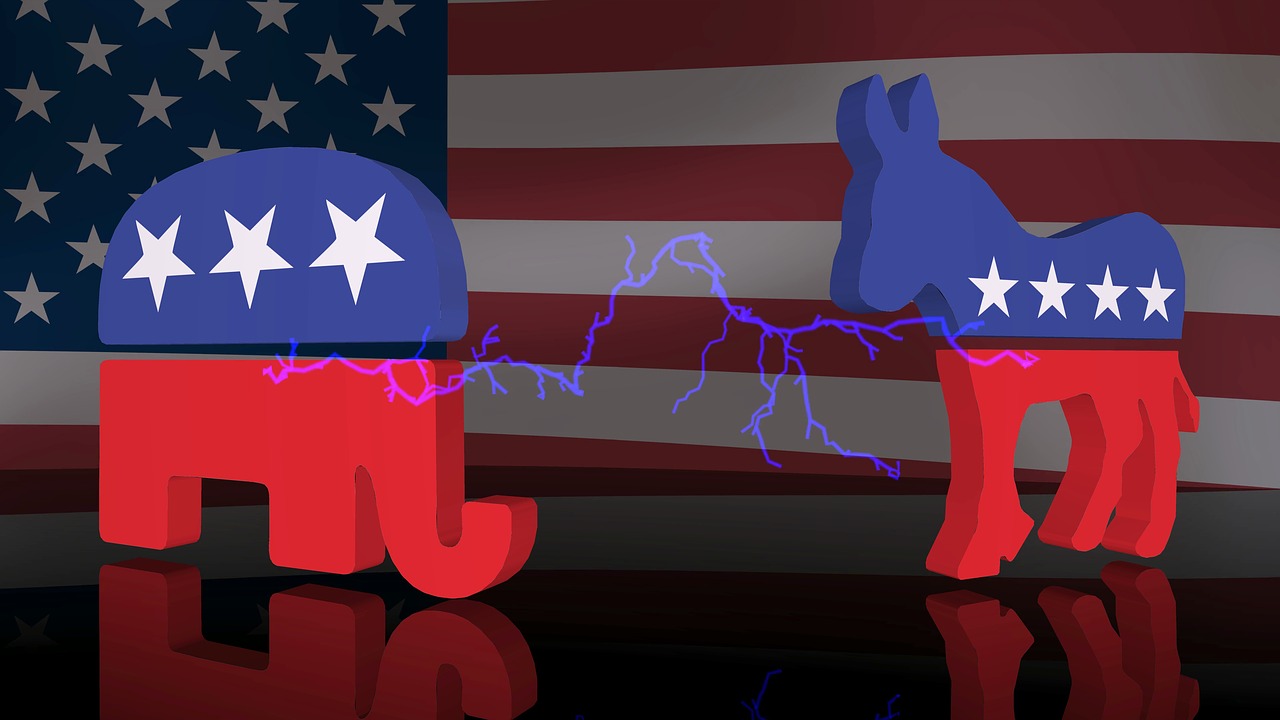 SolarWakeup’s View: It has long been a pet peeve of mine that the solar industry seems hellbent on playing nice with politicians who, given the opportunity, would completely destroy the solar industry on a heartbeat's notice.
After all, it's not state legislatures led by Democrats that are trying to gut net metering and other pro-solar policies around the country. And while it's true solar is a popular issue among the voters, anyone who thinks voters get to weigh in on what these politicians are voting on doesn't understand democracy (small "d") in the United States in 2018.
SolarWakeup’s View: It has long been a pet peeve of mine that the solar industry seems hellbent on playing nice with politicians who, given the opportunity, would completely destroy the solar industry on a heartbeat's notice.
After all, it's not state legislatures led by Democrats that are trying to gut net metering and other pro-solar policies around the country. And while it's true solar is a popular issue among the voters, anyone who thinks voters get to weigh in on what these politicians are voting on doesn't understand democracy (small "d") in the United States in 2018.
Overall, political action committees representing solar and wind companies have donated nearly $400,000 to candidates and PACs in the 2018 election cycle, including $247,000 to Republicans, $139,300 to Democrats, and $7,500 to independents, according to the Reuters analysis. That marks a record. During the 2016 presidential elections, the first cycle during which the clean energy industry gave more to the GOP than to Democrats, Republicans received just over half of the combined $695,470 in political contributions from major wind and solar PACs.To which I scream (startling the dog in the process): "WHY?" Look, I'm no political naif. I've been steeped in politics since the age of 6, when I supposedly wanted to vote for my "Uncle Carty" for president (my Uncle Carty - a nickname - was not running for president, but a former peanut farmer named Jimmy CARTER was). I've been heavily involved in politics ever since, up to and including local politics. I've watched the sausage get made, and I do not have a weak stomach. But in politics as in business, I'm all about return on investment, and outside of an ITC extension in 2015 (and we can debate how much of that was the result of fawning over Republicans at some other date), what has this "investment" gotten us? Wouldn't it make far more sense to invest in politicians who might actually SUPPORT our priorities instead of merely NOT ACTIVELY OPPOSING them? For reals - it's time for us to get our priorities in order and support those who support us wholeheartedly without reservation. Otherwise, you're just throwing good money after bad. More: Clean energy sector swings Republican with U.S. campaign donations
By Frank Andorka, Senior Correspondent What Happened: The swath of destruction the Connecticut legislature is about to cut through the solar industry with their latest bill to replace net metering is breathtaking and stupefying to behold.
By Frank Andorka, Senior Correspondent What Happened: The swath of destruction the Connecticut legislature is about to cut through the solar industry with their latest bill to replace net metering is breathtaking and stupefying to behold.
The level of awful in the Connecticut solar bill that is careening drunkenly toward passage as the session comes to an end is breathtaking in scope and stupidity.[/caption]
SolarWakeup’s View: Connecticut Senate Bill (SB 9) is the perfect distillation of everything that solar opponents use when they're trying to destroy solar industries in various states.
For today's lesson in bad solar ideas, let's just start with the legislature's decision to eliminate net metering.
Its uncertainty would jeopardize the financibility of systems, which will disproportionately impact low-income customers who depend upon it. It also disadvantages working people who cannot change when they use electricity.And that's just the beginning of what's wrong with this bill. Just you wait - if you think it can't get any worse, wait until you see my next article. I can't urge you strongly enough to get on the phones and tell Connecticut legislators not to destroy the state's solar industry by passing this bill. No, seriously. Do it now. You only have seven days left to stop this monstrosity. More: Here's this asinine bill: [pdf-embedder url="http://www.solarwakeup.com/wp-content/uploads/2018/05/SB-9.pdf" title="SB 9"]