

By Frank Andorka, Senior Correspondent
By Frank Andorka, Senior Correspondent
Solar's continued ascendancy - now reaching nearly 2% of all electrical generation in the United States - is coming at the expense of combined-cycle natural gas plants. Two of the nation's largest utilities - Dominion Energy and Vistra Energy Corp. have announced they will no longer build natural gas plants because the underlying economic case for them is disappearing in solar's shadow, Reuters reported late last week.This bearish view of fossil-fuel energy, reflective of a growing acceptance by utilities of renewable power sources, poses a hurdle to John Flannery’s plan to turn around General Electric Co’s (GE.N) $35 billion-a-year power unit.
Dominion's plans are particularly aggressive. From Reuters: In Virginia, Dominion Energy ended several maintenance contracts it had with GE this year when it mothballed a large gas-fired plant built by companies GE later acquired and idled seven other coal and natural gas units in the state. Dominion aims to build 4,720 megawatts of solar by 2033, the equivalent of about five large combined-cycle power plants. It is opening a new combined-cycle natural-gas plant in Virginia this year, built with GE and Mitsubishi equipment. It said it has no current plans to build more such plants. “Solar is very cheap,” spokesman Dan Genest said. “These units were just not cutting it.”As SolarWakeup has reported, some experts are predicting the natural gas boom that had been anticipated as utilities transitioned to renewable power may no longer be a reality. More: General Electric's power unit fights for growth as wind, solar gain (Reuters) Renewables, FTW! Price Drops Send Natural Gas Reeling (SolarWakeup) Will Natural Gas Lose Its Place As A Transition Energy? (SolarWakeup) Natural Gas Plans Hit Snag For Arizona Utility (SolarWakeup)
By Frank Andorka, Senior Correspondent

By Frank Andorka, Senior Correspondent
Like Puerto Rico, Haiti is a country that often only finds its way into the U.S. consciousness if something bad happens on the island nation. But one year after its new president launched his "Change Caravan," there is potentially good news coming about the rural electrification of the country - and solar has played a critical role. More than 7,000 individual solar systems have been provided since May 2017 to households in 11 of the most rural areas of the country. The government's press released notably does not say installed, so it's unclear how many of the systems are actually producing electricity at this time.The government is fully supportive of the effort to bring renewable solar power to the country. Last September, parliament eliminated all import duties and tariffs on solar equipement, Forbes reports. Economy and Finance Minister Jude Alix Patrick Salomon stated in an interview with Haiti newspaper Le Nouvelliste, “we wanted to encourage, as part of this budget, the acquisition of equipment from alternative sources of energy.”More: 10Power Leads Haiti Toward A Sustainable Future Powered By Solar Energy (CleanTechnica)
A Solar Pro In Congress! On Friday I interviewed SolarCity alum, Sam Jammal. Sam is running for Congress in California 39th district and has a primary election coming up. Sam is imminently qualified and I can’t help but think of the opportunities the solar industry would have to leverage a solar pros influence in Congress. Check out my podcast interview with Sam.
The Tariff Impact. The reality of the tariffs is that our industry would be able to grow much faster without them. I’ve spoken to countless solar companies and one of my questions is always, what does your business look like if solar panels were low 30’s. I’d love to see an import license fee that is distributed to US manufacturers.
The Florida Market. We covered the Sunrun request to the Florida PSC in detail last month. Now VIvint Solar is going for their own approval by the PSC in Florida. The reason may be an abundance of caution given that Sunrun received the approval, not the lease in general. In detail, the two documents may be different in some form.
Midwest Interconnection Rules. IREC, ELPC and Fresh Energy have pushed Minnesota for better interconnection rules and have gotten some of the way there. These updates always remind me there are quiet warriors fighting for the rules and regulations that allow the solar industry to exist.
Illinois Deals. Illinois is going to be a multi 100MW market next year and there is some of it available to you. From residential and C&I behind the meter to large scale and community solar, the market rules are being finalized. At SolarWakeup Live! you will hear from ELPC’s Brad Klein and Illinois Power Authority’s Anthony Star amongst many industry participants. This amazing one-day event is a must attend if you want to play in Illinois.
Have a great day!
News
Opinions:
Have a great day!
Yann
By Frank Andorka, Senior Correspondent
By Frank Andorka, Senior Correspondent
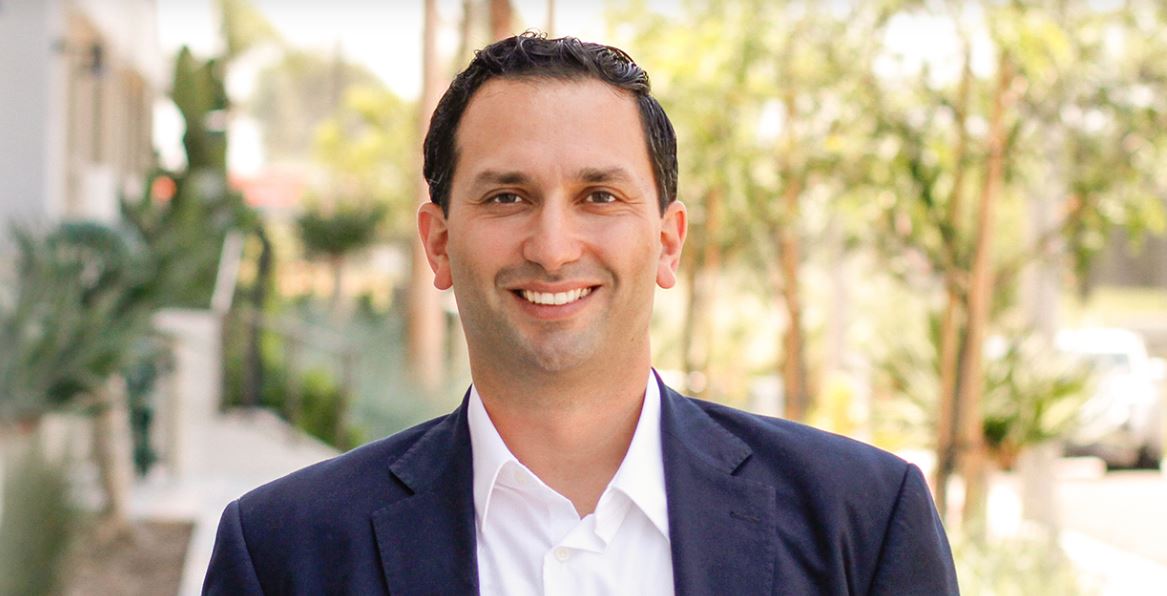
It feels as if the solar industry talks a lot - a lot - about how important federal policy is to pushing the solar industry forward. Which is why, when you have the chance to vote for a strong solar advocate and add another voice to the Congress in favor of our industry, we should do it. Meet Sam Jammal, who is running for the soon-to-be-open California's 39th District (CA-39) in north Orange County. Jammal comes from a solar background, having worked for Tesla/SolarCity, where he traveled the country speaking on solar issues. As he talked to people around the country, he realized how much the industry needed more vocal support on Capitol Hill. So when his current Congressman announced his retirement, Sam Jammal decided to run as a Democrat in what has traditionally been a pretty conservative county - in large part because he believes strongly that solar will be the way the country is powered in the future. And not some distant future, either. "We have about 1,500 solar employees in the district," Jammal says. "We can't have enough allies in the halls of Congress to fight for them, and I'm planning on being one of them." It won't be an easy task for Jammal to win the race - and not just because he's a Democrat running in a traditionally conservative county. Under the election rules in California, it's an open primary and a Top 2 system. What that means practically is that all voters, no matter what their party affiliation, will vote in the same election. And only the top two vote-getters - again, regardless of party - will face off against each other in the fall. Jammal says the key to winning in this situation will be turnout, so he asks all of us to get behind him and spread the word about his pro-solar candidacy. And if you live in his district and are one of those 1,500 solar employees, spread the word among your colleagues and, and we can't stress this enough, VOTE. You should listen to the entire podcast because Sam Jammal has a lot of interesting things to say, and we believe he'll make a strong candidate in the fall if he gets into that Top 2. Visit his website to learn more about him.