

Are You Registered? Our Chicago event is coming up soon and you will not want to miss this because the who’s who of solar is flying in for the full day event. Get your tickets at solarwakeuplive.com and do it quickly because only about half of the tickets are left. This will definitely sell out before event day.
What Can A Major Do For You? My operating assumption is that the solar and storage ecosystem is going to be surrounded by ‘majors’ from oil, auto and energy. Look at the cap tables for energy storage companies that haven’t been acquired yet, it’s the who’s who of anyone that things the future of energy is based on intermittent generation. Look at the solar companies that have regional or segmented platforms and they are being acquired to be turned into a bigger platform to achieve goals like deploying capital or tax liabilities. What would your company look like if a major corporation invested or bought it, what would it allow or deny your team to accomplish?
Can Puerto Rico Attract Investment. I worry about Puerto Rico, even a year after Hurricane Maria destroyed much of the infrastructure. The problem isn’t about what can be done or what should be done. My concern is how it can be deployed financially. Puerto Rico isn’t in a financial position to spend the billions it takes to rebuild with renewable microgrids and it hasn’t fixed the underlying credit problem that would allow outside investors to be comfortable with the risk.
China Slows, What’s Next? This is the question I asked myself all day yesterday. If China’s market slows and there is an oversupply of modules what does that mean for the US market. This could spell a 2018 where prices reduce dramatically in the US from the oversupply but it could also mean issues around supply chain that can be bad for quality. Stay tuned…
A Greener Hawaii. Forget 100% renewable energy, Hawaii is looking to go carbon neutral in the next 20 years. Lots of work ahead but definitely achievable for this island paradise.
Have a great day!
News
Opinions:
Have a great day!
Yann
By Frank Andorka, Senior Correspondent
By Frank Andorka, Senior Correspondent
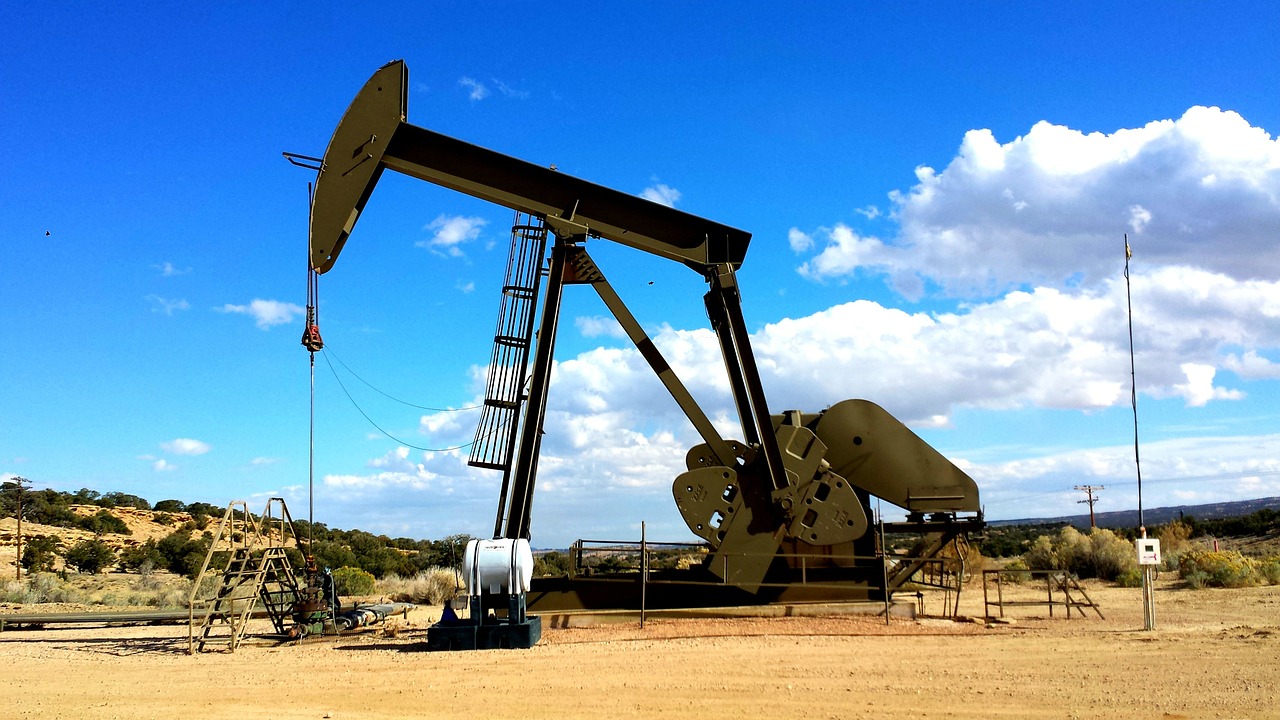
According to Maxx Chatsko at The Motley Fool, it may not pay for renewable energy advocates to fit Big Oil for the Snidely Whiplash top hat and cape. It seems they are investing billions of dollars into renewable energy research that could help make a 100% renewable future possible - but only if they're allowed to continue their work. The argument is all about scale. While solar is spreading like wildfire of its own accord, building an infrastructure like the one Big Oil already has in place would take decades (if not centuries). Plus, solar companies at this stage in their development don't have the capital on hand to make those investments. Much of the industry is still in the aggressive start-up mode, with money to make payroll still taking precedence over long-term investing in infrastructure. Like Katie Fehrenbacher's article earlier about using utilities to build electric vehicle (EV) charging structure, the question is how do clean energy advocates use the current infrastructure to widen the appeal for renewable energy. And Chatsko thinks there just might be a syngergy between renewable energy advocates and Big Oil (words we guarantee you never expected to see that close together - or even in the same sentence). Chatsko writes (and he may well be right):Displacing and replacing fossil fuels won't be easy. Nor cheap. That leads to an inconvenient reality for most narratives surrounding clean energy: moving to a renewable future as quickly as possible will require help from the incredible capital generation capabilities of the world's largest oil companies. The numbers are impossible to ignore. Consider that ExxonMobil (NYSE:XOM), Royal Dutch Shell (NYSE:RDS-A) (NYSE:RDS-B), Chevron (NYSE:CVX), BP (NYSE:BP), and Total SA (NYSE:TOT) have generated a combined $44.6 billion in free cash flow in the last 12 months. That's a whole lot of solar panels. Or research and development. Or equity investments in promising start-ups.It may be galling to a lot of renewable energy advocates, but it's not the craziest suggestion we've ever heard. And if the checkbooks and possibilities are open, who are we to say no to their help? More: Big Oil Is Investing Billions in Renewable Energy. Here's Where and How.
By Frank Andorka, Senior Correspondent
By Frank Andorka, Senior Correspondent
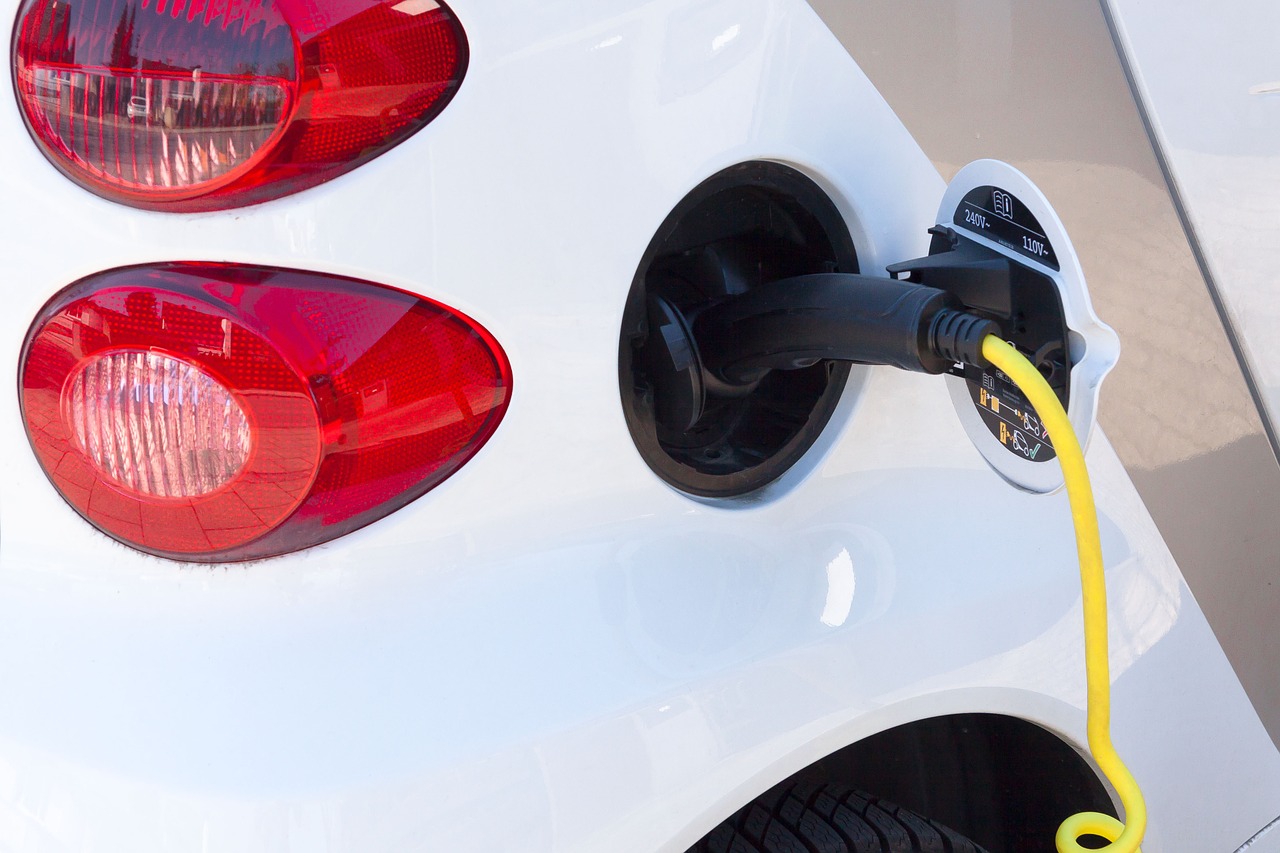
There just might be something to this electric vehicle (EV) revolution after all - at least New York and California seem to think so. Greenbiz is reporting that between the two states, nearly $1 billion will be spent adding EV-charging stations to the nation's infrastructure. In California, more than $750 million of public money is being invested in three of the state's largest utilities, while in New York $250 million is being allocated to the New York Power Authority (NYPA). As the invaluable Katie Fehrenbacher notes in her article, the decision to invest with utilities and power authorities reflects what could be the rapidly changing role of those entities as the grid modernizes and mobility becomes one of the primary drivers of that change. As Fehrenbacher also notes:Research firms like Bloomberg New Energy Finance are predicting that a third of the world’s vehicles will be electric by 2040. To meet this demand and adequately charge such dramatic growth in electric vehicles, more public charging infrastructure must be deployed. Currently, there are between 50,000 to 70,000 chargers publicly available and at workplaces in the United States (not including home chargers). Including home chargers, there are close to 475,000 charging ports across the country.As she notes, not everyone is happy. In what perhaps is the perfect summation of the other side of the EV debate, Fehrenbacher writes:
Not everyone agrees with the use of such sizable public funds for EV charging. The California Independent Oil Marketers Association called the CPUC’s move a “$500 million money grab.”The entire article is worth your time. It's a perfect encapsulation of where the country is - and perhaps should be - in terms of the EV revolution that is currently sweeping the world. The United States, thanks to visionary leaders in states like California and New York, has the chance to lead the revolution instead of follow it. More: A wave of electric vehicle charging investment is here
Strategic Reduction In China’s Solar Market? China’s solar market is in for a shocking halt after an announcement by the governing body last week. Most of the publicly traded solar companies had a bad day yesterday after being downgraded on the change in subsidy policies that kept that capacity flowing at a massive pace. Let’s see how that affects the market pricing in the US, the oversupply could create competition that will center around pricing for the domestic projects. BUT I wouldn’t be surprised if there isn’t an impact that tries to stop the oversupply from coming this way given the 201 and AD/CVD tariffs are all percentage based charges.
Big EV Infra. I was amiss in speaking about this when it happened over the weekend but multiple regulatory bodies in CA and NY approved over $1billion in EV charging infrastructure to be built by the utilities. This is a massive upside for utilities that not only get to rate base the infrastructure, something I support, but also benefit from the increased load this will create from the EV adoption curve that this will cause since consumers will no longer worry about range. The conversation with regulators should be that any increased demand should be supplied with solar and storage and not rate based power generation.
Will The Consumers See This? The Trump coal and nuclear bailouts are going to cost money but the cost isn’t bourne by taxpayers but it may cause a two stage impact. The first level is similar to steel and aluminum tariffs with manufacturers and will affect the retail energy companies. Some may not have a way to pass the additional cost to the consumers while they are under contract and consumers that are about to renew will be in for a shocking price increase. Not only will consumers pay the actual increase but there will be a regulatory risk premium that otherwise would not have been there in a rational market. The price of the unknown is sometimes bigger than the actual price increase especially when a risk committee has to think about crazy possibilities.
Settling In North Carolina. Environmental and solar groups settled with Duke on their grid modernization efforts which were originally slated for greater than $7billion and settled at $2.5billion with some pro renewables policies attached. This comes in parallel with some leading indicators that Duke may be trying to stop energy storage to be added to solar projects, more on that to come.
Climate Change Financing Risk. Do you look at the climate change risk of a property that you are looking to fund a deal on? How do you do it and have you lost a deal because of it?
Have a great day!
News
Opinions:
Have a great day!
Yann