

By Frank Andorka, Senior Correspondent What Happened: Arizona Public Service, the state's largest utility, is again trying to stifle solar development in the state that has the most insolation in the country, because reasons.
By Frank Andorka, Senior Correspondent What Happened: Arizona Public Service, the state's largest utility, is again trying to stifle solar development in the state that has the most insolation in the country, because reasons.
- The utility behemoth, which wields enormous power in the state's politics, is trying to kill a ballot initiative backed by progressive billionaire Tom Steyer that would raise the state's RPS to 50% by 2030.
- To counter the measure, APS is pushing hard for a bill in the legislature that would make the penalty for not making the RPS goals almost laughably negligible - $1,000-$5000, a penalty APS could pay with the change they find in their couch cushions.
- Arizona is the third known Steyer-backed RPS initiative that is being considered for November's elections. The other two initiatives are in Michigan and Nevada.
 Apparently, a representative from Arizona Public Service (APS) - the state's largest utility - nearly got into a fistfight with another panelist who dared criticize their solar policies. There was most certainly shouting and (allegedly) some shoving, which gives you a sense of the lengths APS will go to protect its electricity-production monopoly from an ever-increasingly powerful solar industry.
I use that story as a backdrop to the current attempt by the utility to beat the state's solar industry into submission. This time, they are trying to stop a ballot initiative that would amend the state's constitution to increase the state's renewable portfolio standard (RPS) to 50% by 2030.
The initiative is the third known attempt by progressive billionaire Tom Steyer to get such an issue on the ballot (right now, attempts are being made in Michigan and Nevada). What's interesting is that APS' attempts to use a sledgehammer to kill a flea are happening before the ballot initiative even has enough signatures to get on the ballot - which may indicate how frightened they are that it just might pass.
The counter to the initiative that APS has concocted is a breathtaking display of the terrifying power they have in the state's political structure and the shamelessness they have about wielding it so publicly. They have, through the legislature, introduced a bill that would limit the fines the state could levy on it for not making the modest RPS increase in time would be somewhere between $1,000 and $5,000.
Hell, those are fines that, in a pinch, I could pay (not that I'm offering). The idea that they would be an incentive for APS to increase its renewable energy production to meet the RPS requirements is laugh-out-loud ridiculous.
This is another attempt by APS to destroy the solar industry in Arizona before it can even get started. It cannot stand.
More:
Why APS Is Squashing The Clean Energy Vote (NBC 12 News)*
*Hearing Ryan Randazzo of The Arizona Republic compare APS to a lazy teenager is worth clicking on the link alone.
Apparently, a representative from Arizona Public Service (APS) - the state's largest utility - nearly got into a fistfight with another panelist who dared criticize their solar policies. There was most certainly shouting and (allegedly) some shoving, which gives you a sense of the lengths APS will go to protect its electricity-production monopoly from an ever-increasingly powerful solar industry.
I use that story as a backdrop to the current attempt by the utility to beat the state's solar industry into submission. This time, they are trying to stop a ballot initiative that would amend the state's constitution to increase the state's renewable portfolio standard (RPS) to 50% by 2030.
The initiative is the third known attempt by progressive billionaire Tom Steyer to get such an issue on the ballot (right now, attempts are being made in Michigan and Nevada). What's interesting is that APS' attempts to use a sledgehammer to kill a flea are happening before the ballot initiative even has enough signatures to get on the ballot - which may indicate how frightened they are that it just might pass.
The counter to the initiative that APS has concocted is a breathtaking display of the terrifying power they have in the state's political structure and the shamelessness they have about wielding it so publicly. They have, through the legislature, introduced a bill that would limit the fines the state could levy on it for not making the modest RPS increase in time would be somewhere between $1,000 and $5,000.
Hell, those are fines that, in a pinch, I could pay (not that I'm offering). The idea that they would be an incentive for APS to increase its renewable energy production to meet the RPS requirements is laugh-out-loud ridiculous.
This is another attempt by APS to destroy the solar industry in Arizona before it can even get started. It cannot stand.
More:
Why APS Is Squashing The Clean Energy Vote (NBC 12 News)*
*Hearing Ryan Randazzo of The Arizona Republic compare APS to a lazy teenager is worth clicking on the link alone.
Short opening today, long day of meetings and jet lag are getting the best of me.
See You Tonight? Make sure you say hello tonight at Vote Solar’s Equinox in San Francisco. This is a great event to celebrate solar and those that fight on the front lines of the regulatory battles for us all. It is not too late to buy your ticket to the event and toast our industry.
Going For 100. Last year, California’s legislators got close to passing a 100% RPS. This year it could actually happen. 27 organizations including Vote Solar have banded together to push for the legislation to become law. Read Frank’s coverage here and look forward to more commentary as discussions begin.
Southeast Solar. The top story yesterday was the headline of more solar in the Southeast. This is the reminder that Florida has massive capacity growth with essentially no market. Only the IOUs are building substantial capacity and ratepayers are footing this bill with no transparency on how much it would cost if this was a competitive process instead of utility owned.
Wakeup Live. Get your tickets to our event. Hear my interview with the contract manager looking for solar projects in California.
Have a great day!
News
Opinions:
Have a great day!
Yann
By Frank Andorka, Senior Correspondent What Happened: Vote Solar is lending its voice to a coalition of 27 organizations in California that are fighting to move the state to a 100% clean energy future.
By Frank Andorka, Senior Correspondent What Happened: Vote Solar is lending its voice to a coalition of 27 organizations in California that are fighting to move the state to a 100% clean energy future.
- Yesterday, one of solar's most active advocacy groups announced the launching of the organized campaign in support of California Senate Bill (SB) 100.
- If SB 100 passes, it would move the renewable energy goalposts again (in a good way), raising the renewable portfolio standards from 60% to 100%.
- Besides Vote Solar, the coalition also includes the Union of Concerned Scientists, the Natural Resources Defense Council, the Sierra Club and the American Lung Association.
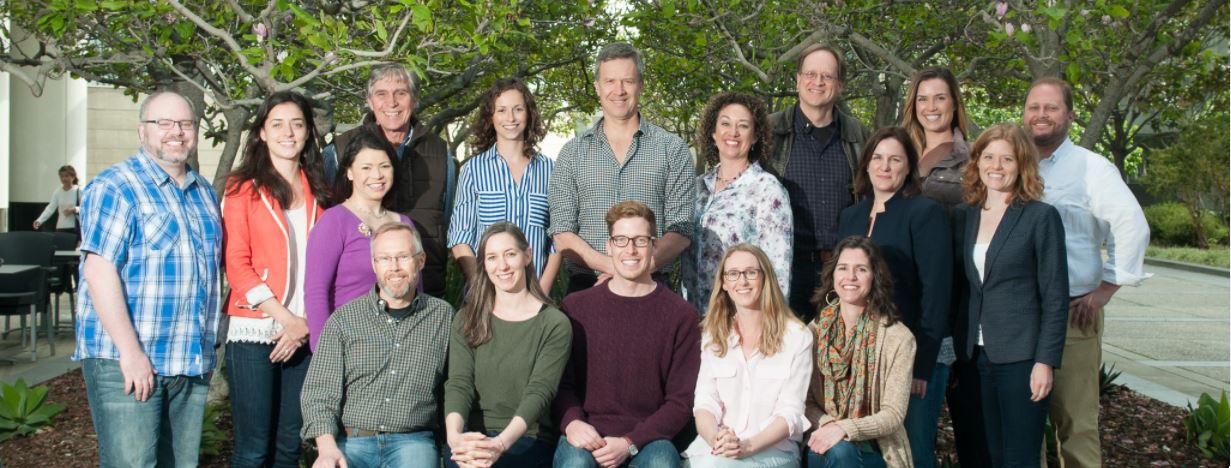 Don't let all those smiles fool you - the members of the Vote Solar team are some of the most tenacious solar advocates I've ever met. So support them when you can.[/caption]
More:
California 100% Clean Energy Coalition
Vote Solar
Equinox 2018 Tickets
Don't let all those smiles fool you - the members of the Vote Solar team are some of the most tenacious solar advocates I've ever met. So support them when you can.[/caption]
More:
California 100% Clean Energy Coalition
Vote Solar
Equinox 2018 Tickets
By Frank Andorka, Senior Correspondent What Happened: Bloomberg looked into southeastern states like Georgia, South Carolina and Florida and discovered, by golly, those states LIKE solar now. In other news, water is wet.
By Frank Andorka, Senior Correspondent What Happened: Bloomberg looked into southeastern states like Georgia, South Carolina and Florida and discovered, by golly, those states LIKE solar now. In other news, water is wet.
- According to the report, states have been reluctant to add solar because of the cost was too high.
- Bloomberg looked at the recent explosion of solar installations in Florida, Virginia and South Carolina to reach its conclusion (and oddly left out North Carolina for some reason).
Let's be honest here: Although Bloomberg says the previous reluctance of utilities in places like Georgia, South Carolina and Florida to adopt solar was cost, it's pretty clear the real reason was that they were afraid of losing their monopolies. After all, if solar is good for the utility, why wouldn't it be good for its customers in southeastern states? Right, it would be good for them - and the utilities don't want to cede that power to anyone.
Now price drops have certainly played some part, and if prices continue to fall (in conjunction with concurrent decreases in storage technology prices), you can be utilities in the Southeast will continue to add more solar to their portfolios.
Here's one note of caution, however: While increasing utility-scale solar plants is a good idea in the short term, it will damage the long-term prospects for the rooftop, distributed-generation market. And it should be noted that while utilities are embracing solar more often for themselves, they are still trying to impose extra charges (penalties) for solar customers who control their own generation.
So while you can applaud the increasing amount of solar in southeastern states, don't let that lull you into a false sense of security that solar is safe there, especially when the utilities feel their bottom lines are threatened.
More:
Sunny U.S. Southeast Is Finally Becoming a Hot Spot for Solar